Forum
WARNING:This product contains nicotine. Nicotine is an addictive chemical.
Launch Time: 2016-12-18 Views: 1882 Rely: 0 Started by:

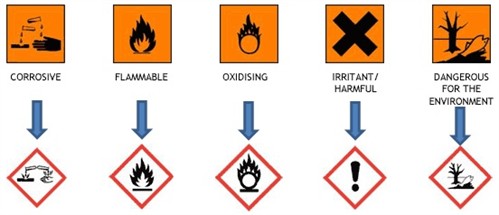
The CLP regulations provide a safety net for the sale of potentially hazardous consumer products. By ensuring that such products are supplied in child-resistant packaging, and bear the appropriate hazard and precautionary statements, public safety may be assured. Classification under CLP is the responsibility of the supplier. Data for nicotine (as a pure substance) is part of the harmonised classification data contained within the CLP regulation and this data formed the basis for the classification of nicotine containing mixtures.
Ecig Juice Regulations: CLP’S Call. Since the other main constituents (propylene glycol and glycerol) are not acutely toxic, the classification of e-liquid is dependent on the level of nicotine they contain. The CLP Regulation (for "Classification, Labelling and Packaging") is a European Union regulation from 2008, which aligns the European Union system of classification, labelling and packaging of chemical substances and mixtures to the Globally Harmonised System (GHS).
What the law requires
Arguably, the recommendations contained in BSI PAS 54115 and in this ISE are legal requirements under the General Products Safety Regulations (2005), which stipulate:
Part 2, Section 6:
(3) In circumstances other than those referred to in paragraphs (1) and (2), the conformity of a product to the general safety requirement shall be assessed taking into account—
(a) any voluntary national standard of the United Kingdom giving effect to a European standard, other than one referred to in paragraph (2),
(b) other national standards drawn up in the United Kingdom,
(c) recommendations of the European Commission setting guidelines on product safety assessment,
(d) product safety codes of good practice in the sector concerned,
(e) the state of the art and technology, and
(f) reasonable consumer expectations concerning safety.
Therefore, as in BSI PAS 54115, the labelling recommendations below should be recognised as requirements under the General Product Safety Regulations (2005).
68d160fa.jpg?w=225&h=225 "Ecig Juice")
Ecig Juice Regulations: CLP’S Call. Nicotine solutions of less than 2.5% are not classified under CLP. (Please note: This is currently under review, and may change in the future. If such a change is introduced, this advice may no longer be applicable.) E-liquids may be sold separately from hardware, i.e. in bottles, or may be supplied prefilled into various devices. Some of the devices may be sold with the intention that they will not be refilled, while others will be intended for refilling using e-liquid in bottles. This introduces a slightly different set of labelling requirements, depending on the product in question, as set out below:
Irrespective of how the e-liquid is sold, if it has a nicotine concentration of between 0 and 2.49%, it should carry the following information:
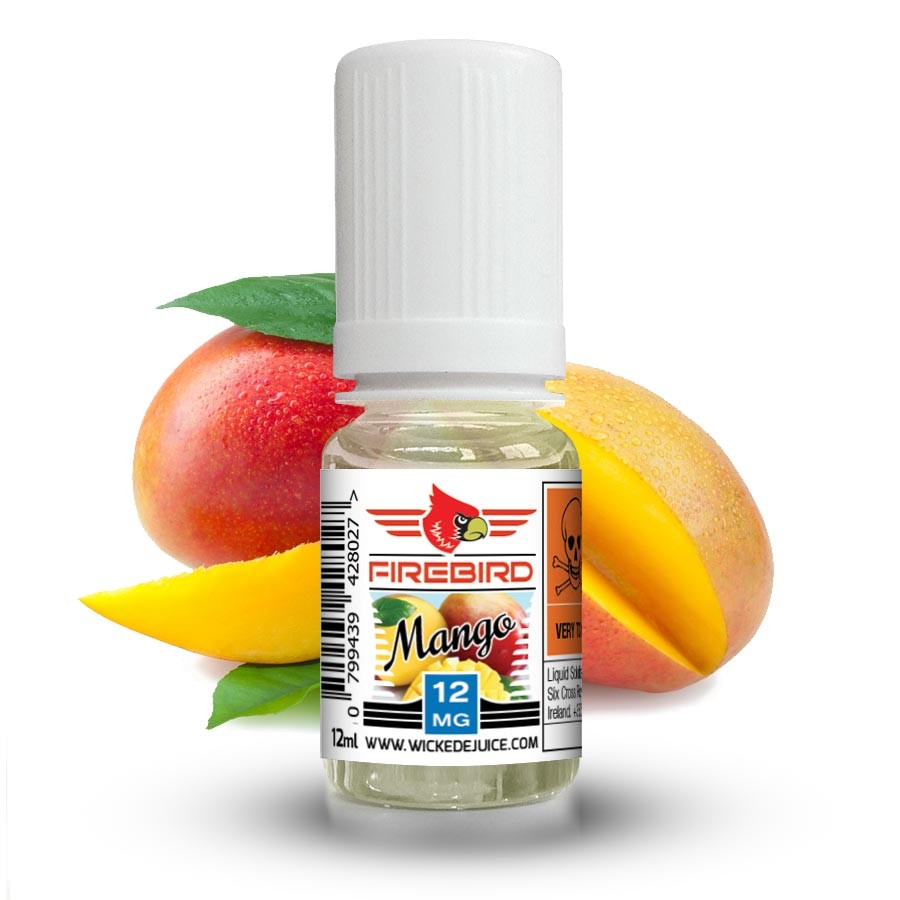
Ecig Juice Regulations: CLP’S Call. All of these label elements must be visible, legible and indelible. Concentrations in this range should also be supplied in child-resistant enclosures. There are about another situation of the e-juice such as CLP’s requirements for e-liquids containing 2.5% and over
Please note: It is important that zero nicotine e-liquids also bear this information.