Forum
WARNING:This product contains nicotine. Nicotine is an addictive chemical.
Launch Time: 2017-02-22 Views: 1730 Rely: 0 Started by:
Reports on the news continue to surface of e-cigarettes exploding, bringing to mind legitimate concerns regarding the safety of e-cigarettes. Though, thousands, in fact, millions, of vapers continue to use e-cigarettes safely, it may be a good idea to adopt a few safety practices to avoid the highly unlikely event of an e-cigarette explosion. Especially newcomers to the vaping world should educate themselves on the best ways to avoid any sort of mechanical malfunction, especially those that could result in an explosion.
First things first, we need to make it clear that the incidence of e-cigarette fires, while regularly reported, is an incredibly rare event. Statistically speaking, the amount of exploding e-cigarettes are only but a blip on the radar. However, respecting your device and following a few simple procedures is not only good for safety but is good for your device itself.
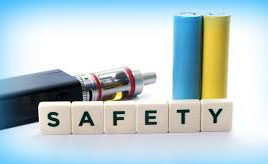
Most e-cigarettes are powered by a lithium-ion battery, and that’s where the fire danger comes from. Lithium-ion batteries are found everywhere, from our cell phones to our cameras to our hybrid cars. When you puff on an e-cig, a battery powers the heating element that then turns the chemical solution in the canister into a vapor. In other, more manual e-cigs, you have to press a switch to take a drag. Either way, a lithium-ion battery is involved. We know that lithium-ion batteries can pose a fire hazard if left in certain pressurized areas, like the baggage compartment of a plane. In early 2015, the Federal Aviation Association prohibited e-cigs and other spare lithium-ion batteries from being kept in checked baggage.
The Federal Register confirms that the FDA has been concerned by reports of exploding e-cigarettes, and has provided a draft guidance on the safety requirements that companies will need to follow. For example, the FDA says that the product labeling should include text or a graphic to show users should recharge the product only with specified chargers to minimize the risk of battery failure. But as of right now, these guidelines haven’t been finalized yet.
In the meantime, you can keep yourself safe with a little more education. Most importantly, handle your e-cigarette batteries (or any lithium-ion battery, for that matter) with care. Here are a few key pointers:
Stick with the manufacturer’s provided charger
Always use the charging appliance that comes with the unit and follow the manufacturer’s instructions. This way, you know the battery is compatible with the charger. Avoid leaving it connected to the charger overnight.
Be careful about what you plug your e-cig into
Avoid plugging the e-cig into any old USB port. The manufacturer’s user manual usually includes technical specifications for the proper voltage.
Buy from reputable companies and suppliers
There are a lot of homemade “mods”, or basically DIY, low-cost modifications of e-cigs. This isn’t exactly the safest way to go because homemade mods simply may not have the built-in safety mechanisms to prevent overheating. Find more safe and brandy ecigs in Cacuq.
3a354f6d.jpg?w=480&h=360 "Ecigs Explosion")
Check to see if the battery is “safe”
The battery shouldn’t be more powerful than what the device is designed for. Plus, there are different quality of batteries. Poorly manufactured, low-cost, counterfeit ones typically do not perform as well and would be more likely to have problems.
Take care of your battery
The Ecig forum suggests that you clean the battery and terminal contents with tissue or alcohol wipes if it’s dirty. When you’re not using the e-cigarette, be sure to turn the battery off. Finally, they recommend that you don’t over tighten when attaching the battery to your atomizer (the clear plastic or glass body of an e-cig if that’s the kind you have). If you suspect damage to your battery, get a new one or take it to an electronics service center for inspection.