Forum
WARNING:This product contains nicotine. Nicotine is an addictive chemical.
Launch Time: 2017-03-02 Views: 1960 Rely: 0 Started by:

Electronic cigarettes, commonly known as e-cigarettes, are a relatively new phenomenon, becoming increasingly popular over the last several years. A recent study by the CDC shows that from 2011 to 2013, the number of never-smoking youth who tried e-cigarettes tripled from around 79,000 to over 263,000. E-cigarettes are marketed as a better alternative to traditional cigarettes, but as a new product, data regarding the health effects of these cigarette substitutes has taken time to catch up. However, recent analysis on the chemicals contained in the e-cigarette shows why it’s likely best to avoid the products entirely.
The potential health risks posed by the use of e-cigarettes were addressed in a July 22, 2009, phone conference between Joshua M. Sharfstein, M.D., principal deputy commissioner of food and drugs; Jonathan Winickoff, M.D., chair of the American Academy of Pediatrics Tobacco Consortium; Jonathan Samet, M.D., director of the University of Southern California's Institute for Global Health; and Matthew T. McKenna, M.D., director of the Office on Smoking and Health at the national Centers for Disease Control and Prevention. Conference participants stressed the importance of parents being aware of the health and marketing concerns associated with e-cigarettes. It was stated that parents may want to tell their children and teenagers that these products are not safe to use.

Unlike traditional cigarettes, e-cigarettes are loaded with a vaporizable liquid. This fluid is made up of a number of chemicals, among them propylene glycol, glycerol, nicotine and a variety of flavoring substances. While these chemicals don’t sound entirely appealing, the new research shows that the real danger may be in how these compounds change when heated. To use an e-cigarette, you load the liquid and apply electricity, heating the liquid until it vaporizes. At this temperature, the chemicals inside the fluid undergo a breakdown process and are converted into other chemicals. Using an advanced measurement system called nuclear magnetic resonance spectroscopy, scientists examined the new chemicals, and in the process, found a particularly concerning result.
When the e-cigarette liquid broke down, it produced both formaldehyde and formaldehyde-releasing agents, a troubling result when you consider that formaldehyde is a known carcinogen. In fact, the recent article compares the risk of developing cancer from this e-cigarette toxin to the risk of cancer from smoking traditional cigarettes, and states that that the risk with e-cigarettes may be up to 15 times higher.
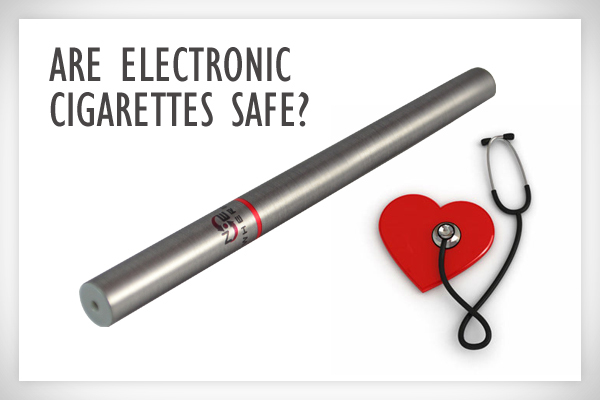
Though ecigs are still new, this initial data should be seriously considered. Even if there appear to be benefits to switching from traditional cigarettes to an electronic version, the long-term health consequences of this new alternative are far from fully understood, and this preliminary information indicates that the effects could range from less than safe to extremely dangerous. The verdict on whether e-cigarettes are better or worse than traditional cigarettes remains to be concluded, but if possible, staying away from these new products seems to be the safest option.