Forum
WARNING:This product contains nicotine. Nicotine is an addictive chemical.
Launch Time: 2017-03-01 Views: 3095 Rely: 0 Started by:
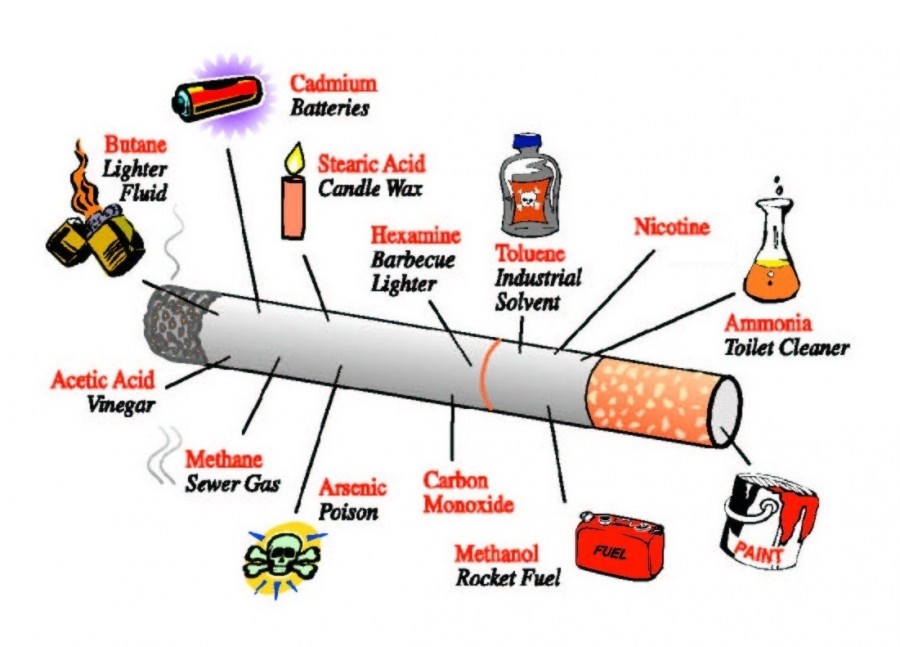
Electronic cigarettes have become a hot item. Since they first appeared in China in 2004 and began to be imported, the numbers of brands and users have jumped. Many smokers have been drawn to claims that e-cigarettes are a safe substitute for standard cigarettes because they deliver nicotine without the harmful chemicals and toxins in tobacco smoke. Some e-cigarette supporters say these products can help smokers to quit or cut down the amount of tobacco they use. What’s more, e-cigarettes supposedly do not expose others to the dangers of second-hand smoke.
“There’s no question that a puff on an e-cigarette is less toxic than a puff on a regular cigarette,” says Stanton Glantz, director of the Center for Tobacco Control Research and Education at the University of California, San Francisco. But few studies have looked at the toxicity of their vapors. As a result, scientists have been circumspect about describing e-cigarettes as safe. Yet many health experts have sounded alarms about e-cigarettes, calling for more study and control. Much of the debate has been about nicotine, the key—and addictive—ingredient in most e-cigarettes.
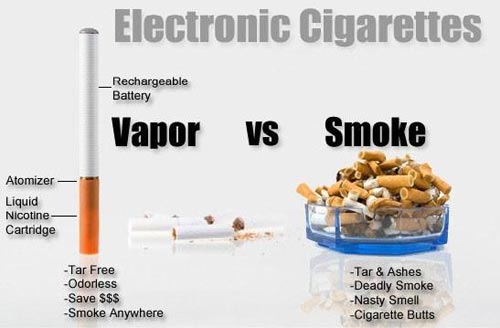
Issues have included uneven delivery of inhaled nicotine, quality control problems such as poor labeling and leaks that can expose e-cigarette users to toxic liquid nicotine, maintaining a person’s addiction to nicotine, and uncertainty about effects on health over time. Until recently, the vapor that puffs from e-cigarettes in place of tobacco smoke has drawn little attention. In fact, many fans of e-cigs say that, because they create a mist produced by propylene glycol or vegetable glycerin rather than smoke, they should not be covered by no-smoking rules in public places.
But now doctors have raised concerns about e-cigarette vapor separate from those about nicotine. A 42-year-old woman who had used e-cigarettes for seven months experienced shortness of breath, cough, and fever over the same period. The diagnosis was lipoid pneumonia—a chronic inflammation caused by fatty substances (lipids) in the lungs—due to e-cigarette use. The specific cause was repeated exposure to glycerin-based oils found in e-cigarette nicotine vapor. The patient’s symptoms improved after she stopped using e-cigarettes.1
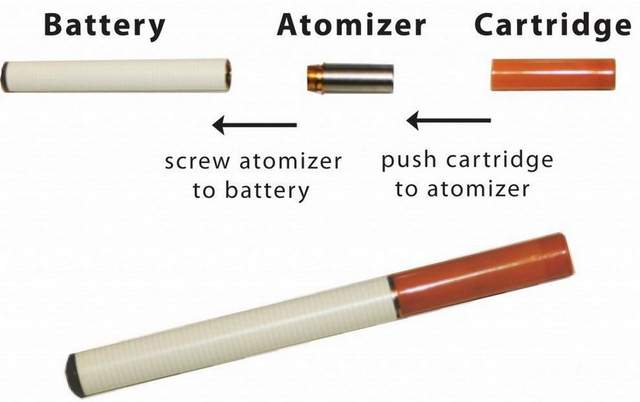
A recent study also found that using an e-cigarette for five minutes began to restrict lung function. It was not clear which e-cigarette ingredient or combination of substances caused these reactions. However, other studies have shown that propylene glycol, the source of the e-cigarettes’ visible vapor, can bring on respiratory irritation and increase the chance of developing asthma.2 These new findings are quite limited, but they are reminders that the e-cigarette story is still unfolding with many questions yet to be answered. One such question in addition to the effects of e-cigarettes on users is whether secondhand vapors may place other people at risk.
Our advice: proceed with caution and stay on top of the latest findings on e-cigs. To find out more, check out the electronic cigarettes forum of Cacuq.